Altitude Sickness in Skardu
Real, practical guidance from local guides who run high-altitude treks every season.
This is a guide, not medical advice
Altitude sickness can kill. If you have heart, lung, or blood pressure conditions — or are over 60 — talk to a travel-medicine doctor before any trip above 3,000m. Always carry travel insurance with helicopter evacuation cover.
Altitude by Destination
| Place | Altitude | AMS Risk |
|---|---|---|
| Islamabad | 540m / 1,772 ft | None |
| Skardu city | 2,228m / 7,310 ft | Low |
| Shangrila Resort | 2,500m / 8,200 ft | Low |
| Khaplu | 2,600m / 8,530 ft | Low |
| Hushe village | 3,050m / 10,000 ft | Mild |
| Deosai Plains | 4,114m / 13,497 ft | Moderate |
| Sheosar Lake | 4,142m / 13,589 ft | Moderate |
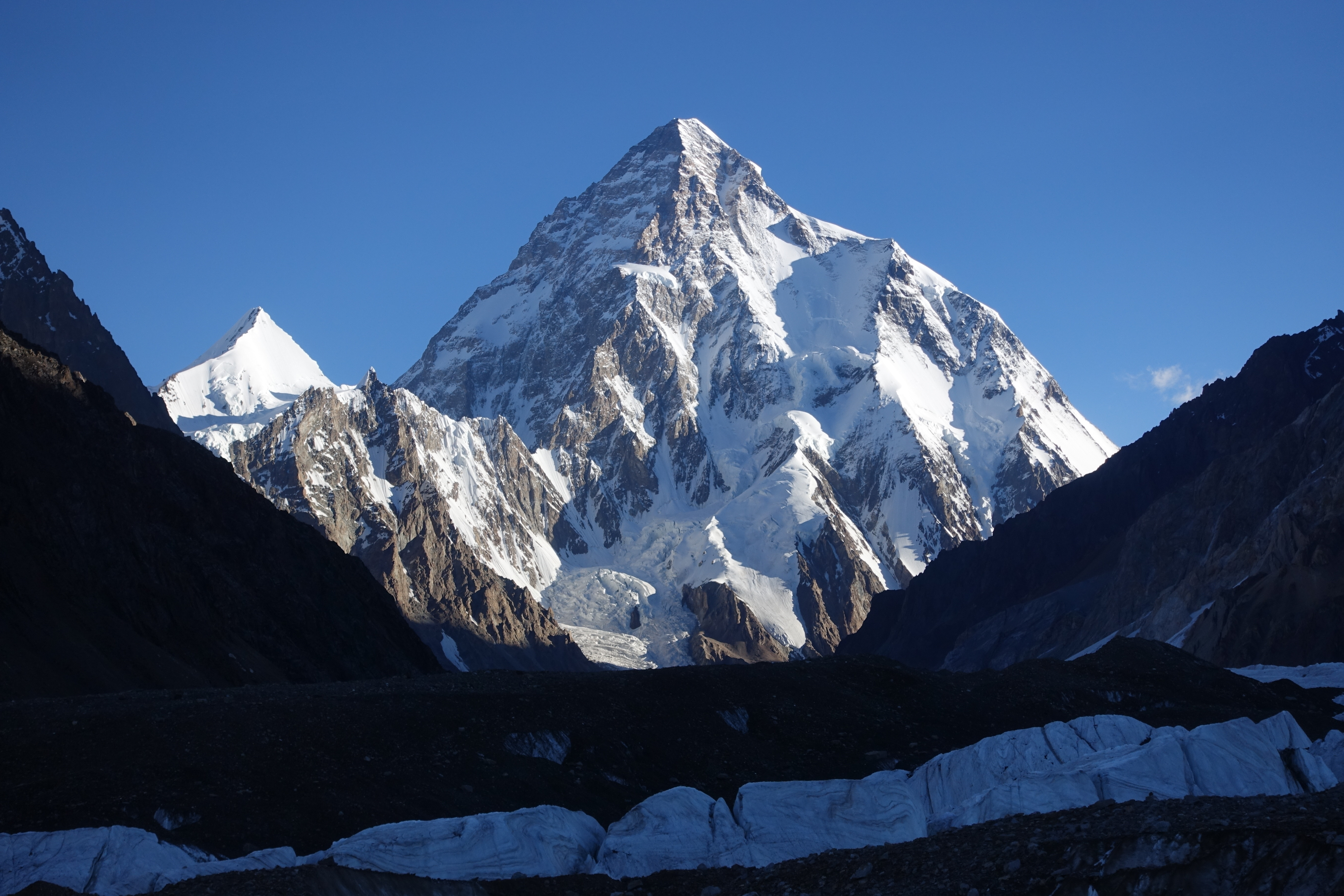
| Concordia camp | 4,650m / 15,256 ft | High |
| K2 Base Camp | 5,150m / 16,900 ft | High |
| Gondogoro La pass | 5,585m / 18,323 ft | Very High |
| K2 summit | 8,611m / 28,251 ft | Extreme |
How to Prevent It
Gain altitude during the day, descend to sleep when possible. Above 3,000m, don't increase sleeping altitude by more than 500m per night.
Drink 3–4 litres of water daily. Dehydration mimics and worsens AMS. Avoid alcohol completely above 3,000m.
Schedule an acclimatization day every 1,000m gained above 3,000m. We build these into all our high-altitude itineraries.
Prescription drug that speeds acclimatization. Typical dose: 125mg twice daily, started 24h before ascent. Consult your doctor before traveling.
Mild AMS is normal. Severe AMS is a medical emergency. The only treatment that always works: descend.
Symptoms: Mild vs Severe
- •Headache (most common)
- •Loss of appetite, mild nausea
- •Trouble sleeping
- •Fatigue, dizziness
- •Slight shortness of breath at rest
Action: Stop ascending. Rest, hydrate, paracetamol for headache. Symptoms usually resolve in 24h. Don't go higher until they do.
- •Severe, persistent headache not relieved by painkillers
- •Vomiting that won't stop
- •Confusion, slurred speech, stumbling
- •Shortness of breath at rest
- •Bluish lips or fingertips
- •Coughing up pink/frothy fluid (HAPE)
- •Cannot walk straight line (HACE)
Action: Descend immediately, at least 500–1,000m. Don't wait for morning. Use bottled oxygen if available. Call mountain rescue.
Our high-altitude tours include acclimatization
Every K2, Concordia, Deosai and Hushe itinerary we run has acclimatization days built in. Our guides carry oxygen, pulse oximeters, and Diamox. Most importantly — they know when to call the trek and descend.