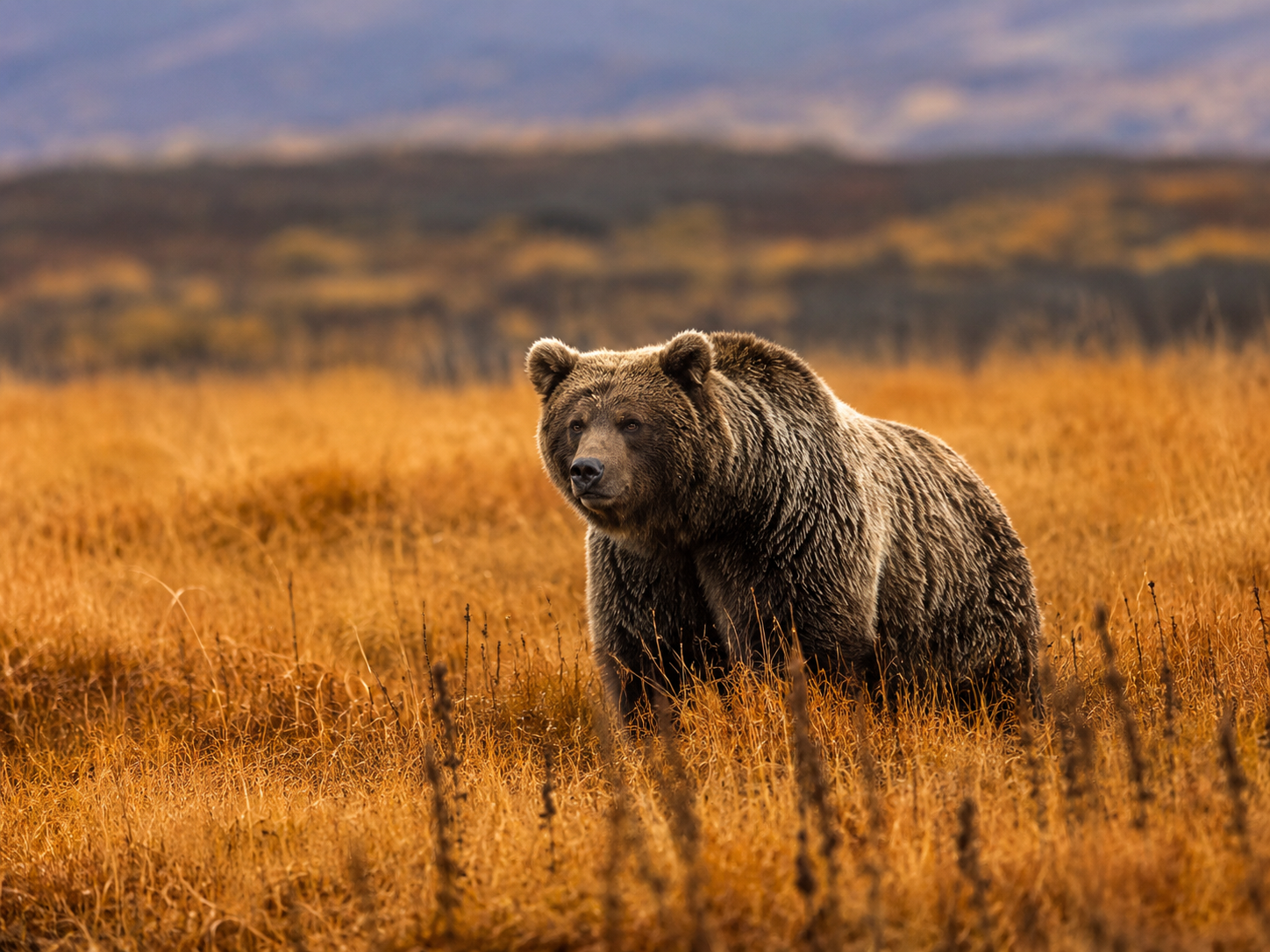
When Deosai National Park was gazetted in 1993, surveyors counted just 19 Himalayan brown bears on the entire plateau. Three decades of hard conservation work pushed that number to roughly 77 — and then it stopped climbing. The plateau is open June through October. What you might see there is rarer than most people realize.
1. 4,114 Metres Up, and Nowhere to Hide
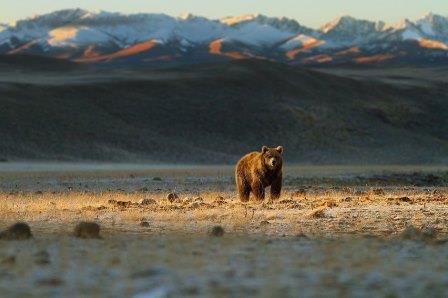
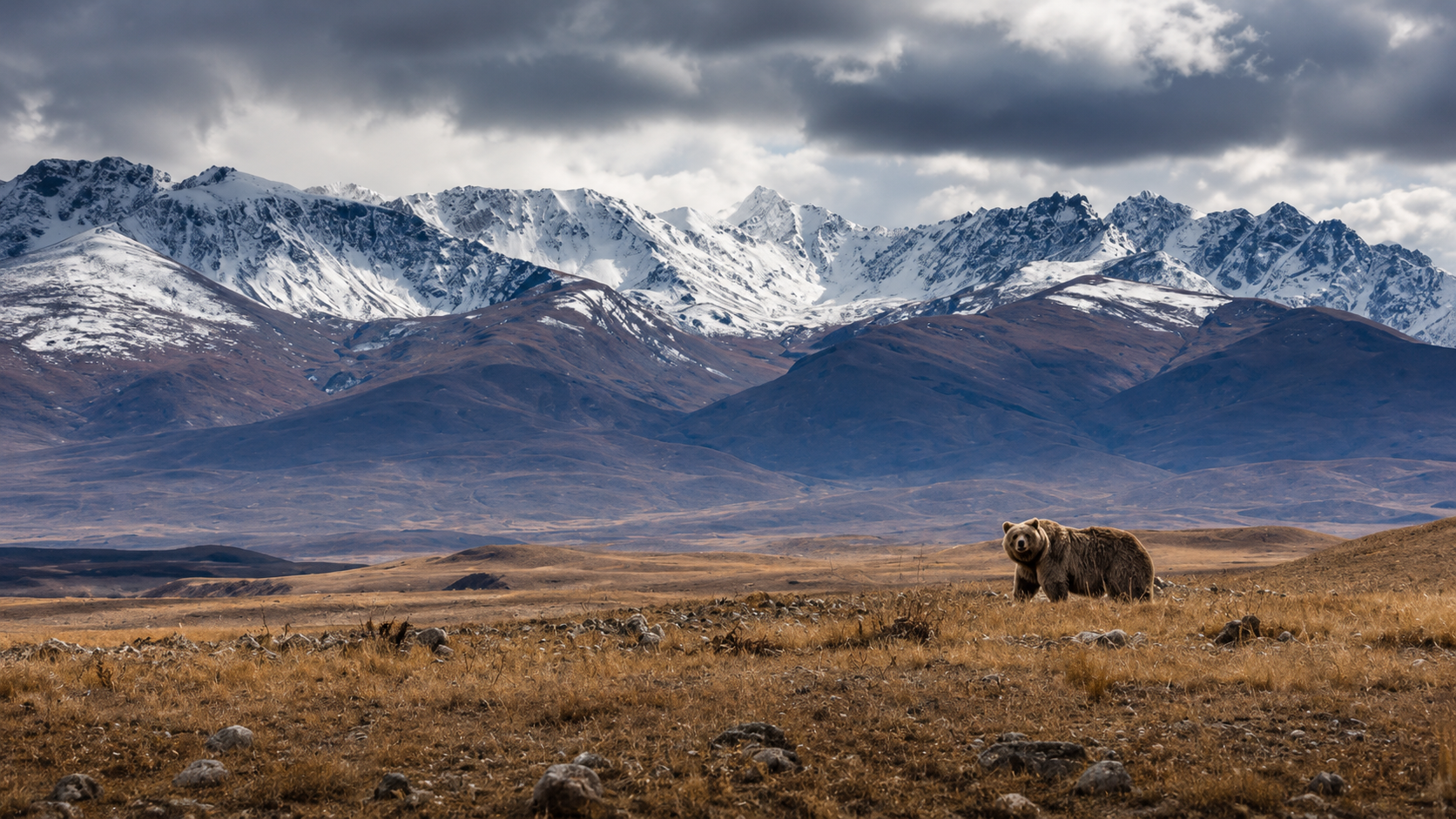
Deosai sits at an average elevation of 4,114 m — the second-highest plateau on earth — and unlike forested bear habitat in Europe or North America, its treeless grassland means you can spot a bear moving across the hillside from 2 to 3 km away without binoculars.
2. The Bear That Predates Every Other Brown Bear
Genetic studies date the Himalayan brown bear's divergence from all other brown bear lineages to roughly 658,000 years ago, making Ursus arctos isabellinus the most ancient branch of the family — the animal roaming Deosai today is not closely related to the grizzly you picture.
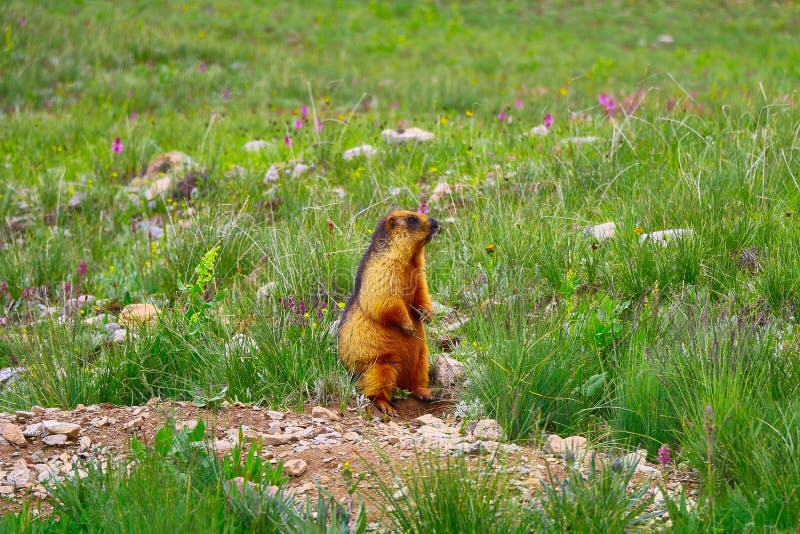
3. Marmots: The Bear's Primary Food Source Here
On Deosai, golden marmots are the bear's main prey, and two GPS-collared bears were found hibernating not in mountain caves but inside enlarged marmot burrows on south-facing grassy slopes — a discovery that surprised park officials entirely.
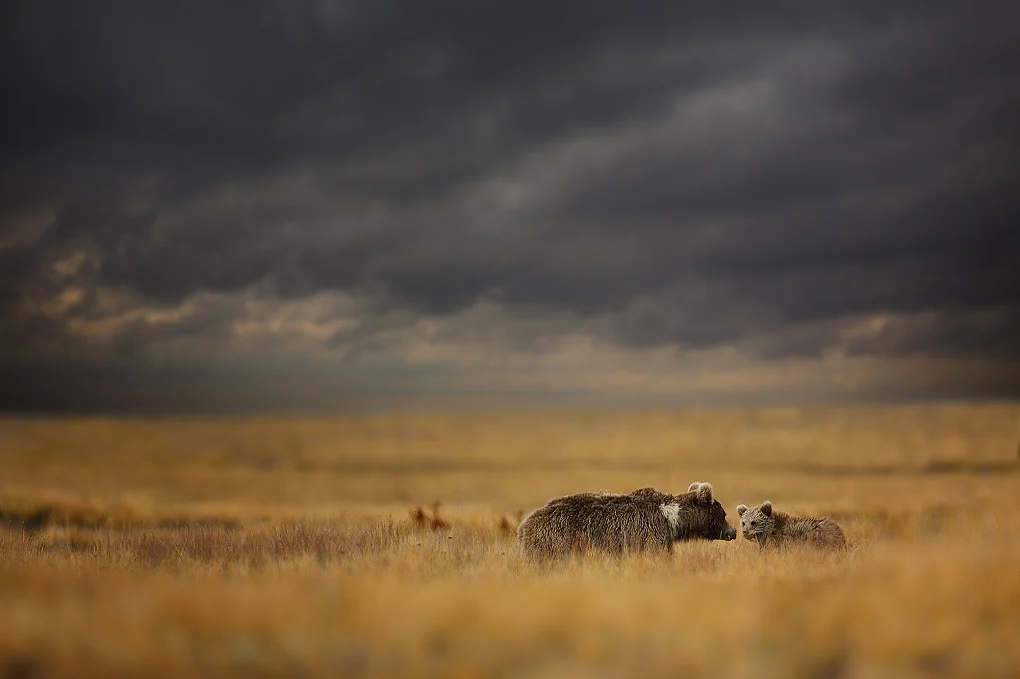
4. 77 Bears, Stagnant for Four Years Running
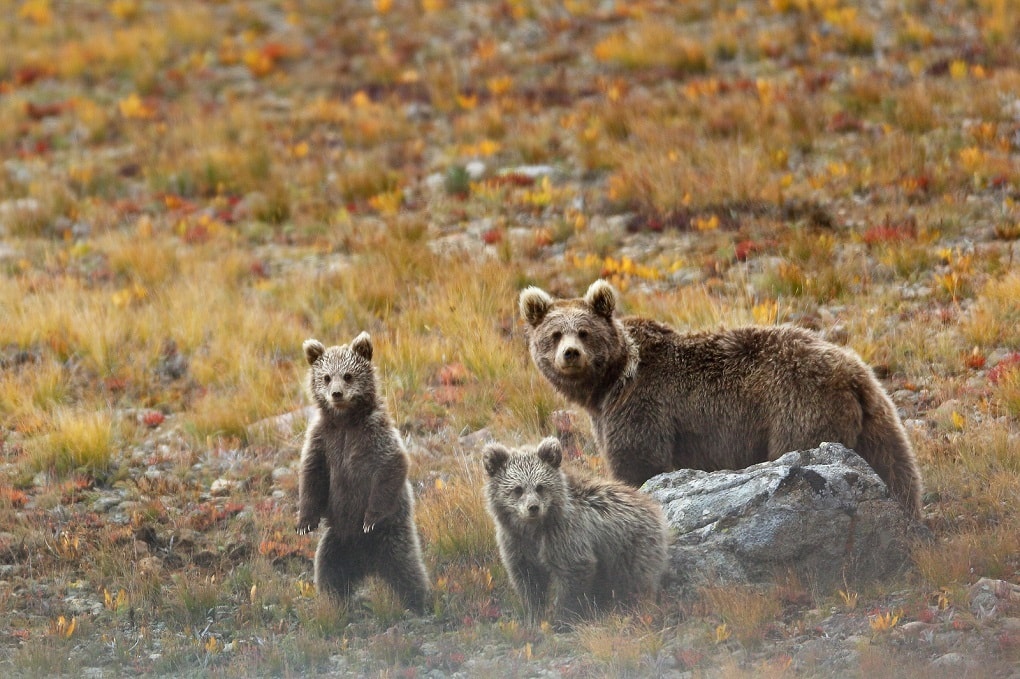
The population has not grown since roughly 2020; conservationists fitted three bears with telemetry collars costing around $2,000 each to study whether inbreeding, shrinking habitat, or tourism pressure — some 19,000 livestock were recorded inside park boundaries in 2012–13 — is the cause.
5. Sadpara Herders and the Bear Don't Agree
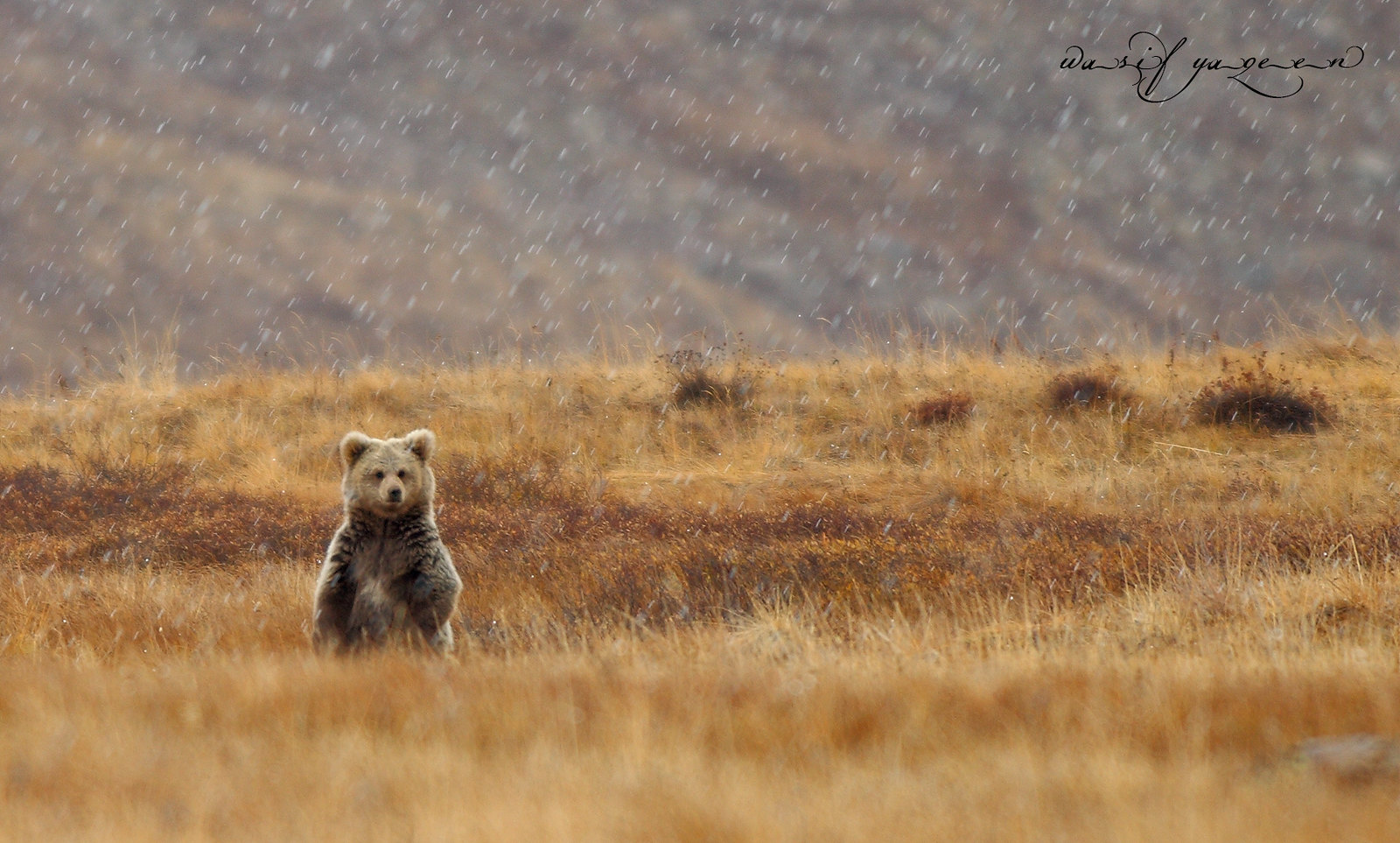
In Sadpara village, 30 km from Skardu, herders report livestock losses to bears, and at least one villager has publicly threatened retaliatory killing — the park employs 25 community watchmen and is pushing cattle insurance as a long-term fix, but the dispute is unresolved.
6. You Can Visit, But Don't Expect a Guarantee
Bears are most active at mid-day and again near sunset between July and September when wildflowers cover the plateau; the road from Skardu is accessible only from mid-June, and entry requires a permit from the Gilgit-Baltistan Wildlife Department, currently around PKR 500 per person for domestic visitors.
Want to see this in person?
Every photo here was shot on a tour we run. Come walk into one of these frames.
Browse Tours